
Unlike most medical investigations, a genetic finding may have implications for parents, siblings, children and future generations. Medical genetics therefore extends from individual care to family-based precision medicine.
Genetic counselling helps patients understand test results, inheritance, recurrence risks, reproductive options, prognosis and preventive strategies. It also addresses the ethical, psychological and social implications of genomic information.
Cascade testing offers targeted testing to biological relatives after a pathogenic variant is found in a family. It can identify an at-risk person before symptoms develop and enable surveillance, prevention or early treatment. Professional guidance recommends systematic communication and testing pathways for hereditary conditions.1
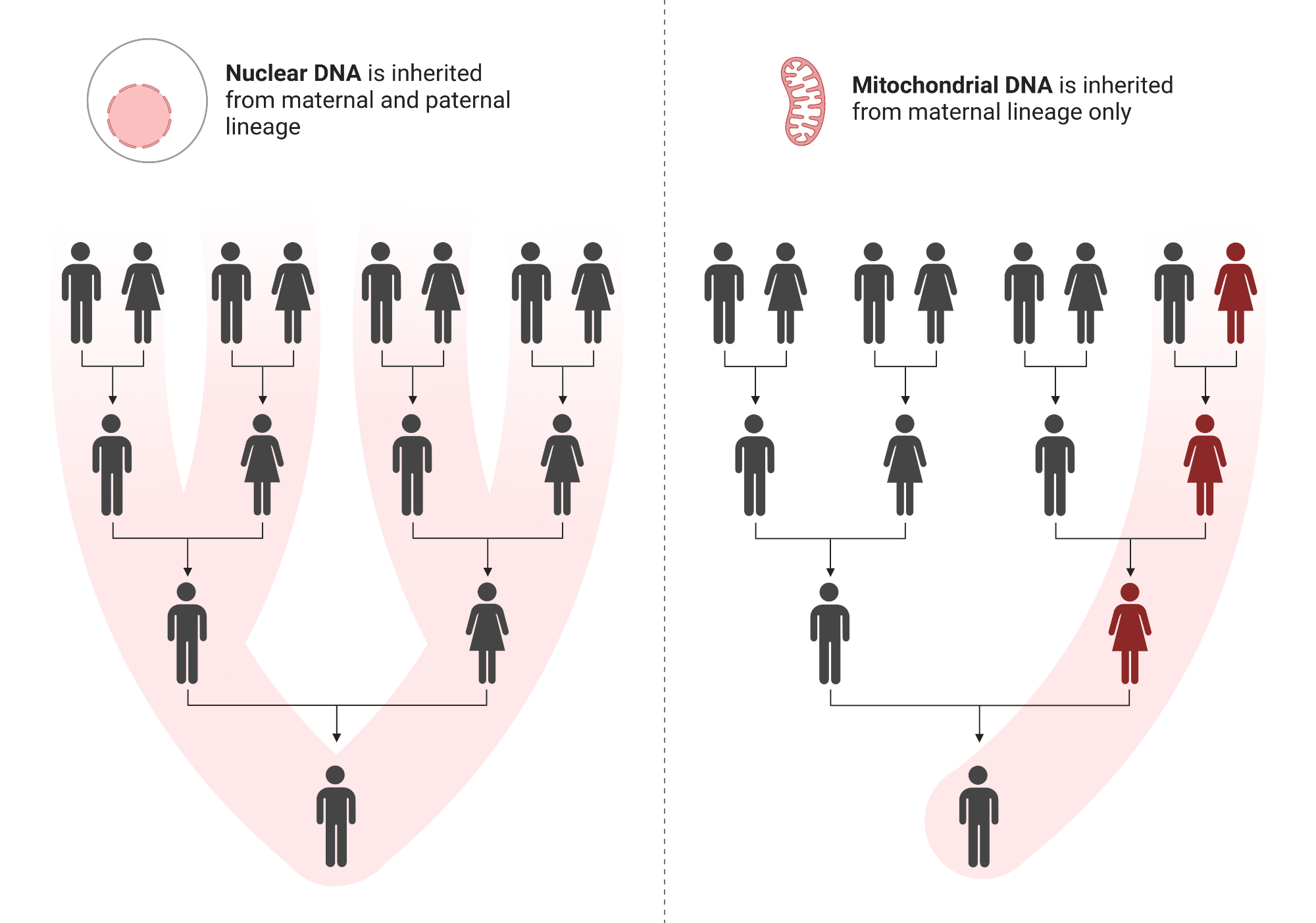
Despite its value, cascade testing remains underused. A large study of hereditary cancer families showed that direct contact approaches substantially increased testing among relatives compared with patient-mediated invitation alone.2
Family genomic medicine is particularly valuable in hereditary cancer, inherited cardiovascular disease, neurogenetic and metabolic disorders, and reproductive genetics.
Clinical benefits
- Individualized hereditary-risk assessment and a three-generation pedigree
- Cascade and predictive testing for at-risk relatives
- Carrier screening and reproductive planning
- Personalized surveillance and preventive care
- Reinterpretation as genomic knowledge evolves